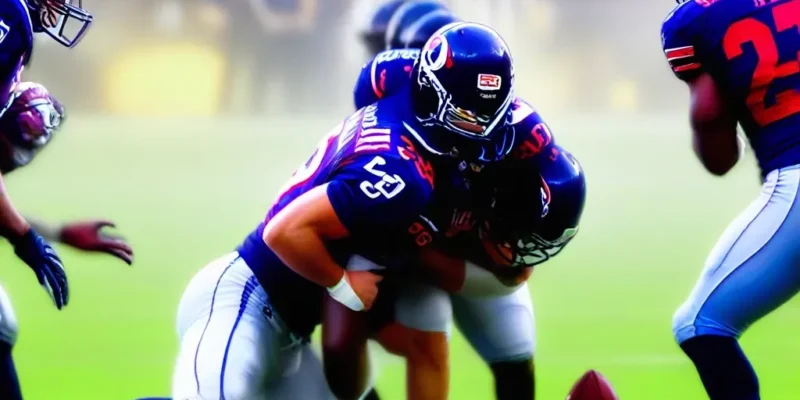
The gridiron is a battleground. Shockingly, nearly 6% of NFL players end up on injured reserve each season, a stark reminder of football’s brutal nature. For fans deeply invested in fantasy football, for those with a keen interest in sports betting, or simply anyone concerned about player well-being, the Thursday Night Football (TNF) injury report is more than just a list; it’s a crucial piece of the puzzle.
Deciphering these reports, however, can feel like navigating a minefield. Vague terms, strategic ambiguity, and the inherent biases of teams looking to gain an edge make accurate interpretation a constant challenge. Injury reports are not always transparent so it takes expertise to understand them.
With years immersed in studying player performance, injury trends, and team strategies, coupled with a deep understanding of the fantasy landscape, insights into NFL injury reports give you the knowledge you need. This is about more than just predicting who will play; it’s about understanding the risks, the potential impact on performance, and the ripple effects across the league.
Decoding the NFL Injury Report
Navigating the NFL injury report can feel like deciphering a secret code. Teams use specific injury designations to communicate a player’s availability for the upcoming game, but these labels are often shrouded in ambiguity. Understanding these terms is crucial for fans, fantasy football players, and anyone interested in the behind-the-scenes dynamics of the league.
Here’s a breakdown of common injury designations:
- Out: This designation is the most definitive. A player listed as “Out” will not play in the upcoming game.
- Doubtful: A “Doubtful” designation suggests a low probability of playing, generally around a 25% chance.
- Questionable: This is the most ambiguous designation, indicating that a player’s availability is uncertain. The player has roughly a 50% chance of playing.
- Injured Reserve (IR): Players placed on IR are typically out for a significant period, usually the remainder of the season, although rules have evolved allowing for a limited number of players to return from IR each year.
- Physically Unable to Perform (PUP) List: This list is for players who are injured before training camp. They can be activated at any point during training camp or the regular season. If not activated, they remain on PUP for the entire season.
The challenge lies in the subjectivity of these designations. A player listed as “Questionable” might feel perfectly fine on game day and perform exceptionally, while another might be limited due to lingering pain. Teams strategically use these designations to mask their intentions and keep opponents guessing. Furthermore, injury severity isn’t always clear. A “minor” hamstring strain to a wide receiver could sideline him for a week, while a lineman might play through the same injury with limited impact.
The Active/Inactive list further impacts game-day availability. Teams designate a certain number of players as inactive before each game. Additionally, teams can elevate players from the Practice Squad, which may indicate an injury to a player in that same position on the main roster and allow for additional depth on game day. It is important to remember, that each team can only elevate a player from the practice squad a total of 3 times during the season.
Past examples demonstrate how injury reports can be misleading. Remember when a star quarterback was listed as “Questionable” all week, only to lead his team to a dominant victory? Or, conversely, a supposedly healthy running back struggles due to an undisclosed injury? These scenarios highlight the inherent uncertainty within NFL injury reporting.
Understanding Common Injury Types
Football is a physically demanding sport, leading to a variety of injuries. Concussions, involving trauma to the brain, are a serious concern with symptoms ranging from headaches to memory loss. ACL tears, a frequent knee injury, often require surgery and extensive rehabilitation, potentially sidelining a player for a year. Hamstring strains, affecting the muscles in the back of the thigh, can limit a player’s speed and agility. Ankle sprains are common occurrences, impacting mobility and stability. Shoulder injuries, including dislocations and rotator cuff tears, can affect throwing ability and impact strength. Back injuries, ranging from muscle strains to disc problems, can cause chronic pain and limit range of motion. Meniscus tears in the knee can also require surgery and impact mobility.
These injuries manifest differently in injury reports. A player with a concussion might be listed as “Out” due to the NFL’s strict concussion protocol. A player with a hamstring strain could be “Questionable,” depending on the severity. Expert commentary often suggests that concussions, in particular, are sometimes “under-reported” or minimized, despite their potential long-term consequences. These types of severe injuries, whether fully disclosed or somewhat concealed, have both short-term and long-term effects on a player’s performance and career.
The Thursday Night Football Factor
Thursday Night Football (TNF) has become a staple of the NFL viewing experience, but the quick turnaround between games presents significant challenges for player health and performance. The shortened week, often just three days between games, drastically reduces recovery time, potentially leading to increased injury risk and diminished on-field play. Data suggests a correlation between playing on Thursday and a higher incidence of certain injuries. The intense physical demands of professional football require adequate recovery, and TNF’s compressed schedule simply doesn’t allow for it.
The Science of Muscle Fatigue
Muscle fatigue is a complex physiological process. During intense exertion, muscles deplete glycogen stores and produce metabolic byproducts like lactate. Delayed Onset Muscle Soreness (DOMS) sets in as muscles repair. Elevated levels of creatine kinase and cortisol, stress hormones, also affect the player. The insufficient recovery time exacerbates these issues, potentially leading to impaired muscle function and a greater susceptibility to injuries. While teams explore strategies to accelerate recovery, the reality is that completely reversing the effects of significant physical trauma in just a few days is an uphill battle.
Fantasy Football and Betting Implications
Identifying Hidden Opportunities
Injuries in football can drastically reshape team dynamics, creating unexpected opportunities for savvy fantasy football players and bettors. When a star player goes down, their backup often steps into a larger role, potentially becoming a valuable asset. Monitoring injury reports is crucial; it’s about identifying the players poised for a workload increase. A wide receiver suddenly becoming the primary target due to an injury or a running back now seeing the majority of carries creates potential point scoring boom. Look beyond the immediate replacement. Injuries can weaken specific position groups and force teams to adjust their gameplans, creating favorable matchups for opposing players.
For example, consider a situation where a team’s star wide receiver is sidelined. The immediate reaction might be to pick up the listed backup. However, smart fantasy players will dig deeper. Is there a tight end who might see increased targets? Or a lesser-known receiver with a favorable matchup against a now-vulnerable secondary? Identifying these sleeper picks can give you a significant edge. Scouring the waiver wire after injury announcements is essential, but it requires more than just grabbing the obvious replacement. It demands understanding how injuries ripple through a team and how to capitalize on the resulting changes in player opportunity and matchup dynamics.
Teams, Bias, and Transparency
The world of professional sports, particularly in a high-stakes arena like the NFL, presents unique challenges when it comes to injury reporting. Teams often operate under intense pressure to win, creating an environment where the dissemination of accurate injury information can become strategically compromised. Team bias, whether conscious or unconscious, can significantly influence injury management and the level of transparency afforded to the public, fans, and even the players themselves. There’s a natural incentive for organizations to control the narrative, downplaying the severity of injuries to maintain a competitive edge and avoid alarming opponents. This can manifest in vague injury descriptions, delayed announcements, or outright misrepresentation. For example, instances have surfaced where players were rushed back onto the field prematurely, or where significant injuries were characterized as minor setbacks. NFL rules, while intended to ensure accurate injury reporting, have often been criticized for their loopholes and lack of stringent enforcement. Even under the watchful eye of figures like Roger Goodell, maintaining true transparency remains a constant struggle; a more robust system is needed to shield the players.
The Role of the Team Doctor
The team doctor occupies a precarious position, one rife with potential conflict of interest, as they are simultaneously responsible for player care and beholden to the team’s objectives. This duality can create ethical dilemmas, particularly when a player’s health clashes with the team’s desire to keep them on the field. The team doctor has to find the right place betwwen player care, team loyalty, and medical ethics. The importance of players seeking second opinions cannot be overstated. An independent evaluation can provide a more objective assessment of the injury, free from the pressures and biases inherent within the team structure. Balancing player health and team success requires a commitment to transparency, ethical conduct, and a prioritization of the athlete’s well-being above all else.
The Future of Injury Prediction
The future of injury prediction is being reshaped by data analytics, wearable technology, and artificial intelligence. Wearable tech, such as GPS trackers, heart rate monitors, and accelerometers, provides a wealth of real-time data on player performance and fatigue. This data, combined with biomechanical analysis, offers insights into movement patterns and potential risk factors. Data analytics steps in, unveiling hidden patterns that predict injury risk, shifting from reactive treatment to proactive prevention. Imagine identifying subtle changes in gait or workload that signal an impending hamstring strain – that’s the power of predictive analytics.
AI and machine learning algorithms are the next frontier, capable of processing vast datasets to create personalized injury risk profiles. Teams are already leveraging these tools to optimize training regimens, manage player fatigue, and reduce the incidence of injuries. Expert opinions highlight the transformative potential, envisioning a future where injuries are significantly minimized, extending careers and enhancing player well-being.
Ethical Considerations of Data Analysis
The rise of data-driven injury prediction brings forth critical ethical considerations. Protecting player privacy is paramount. Safeguarding sensitive health information requires robust data security measures, navigating HIPAA regulations, and obtaining informed consent. The NFLPA plays a crucial role in establishing guidelines and limitations for the collection and use of player data, ensuring fair and transparent practices. Collective bargaining agreements must address data ownership and usage to strike a balance between innovation and player rights. The responsible use of data is essential to maintain trust and uphold the integrity of the game.

Long-Term Health Consequences
The relentless demands of professional football can lead to devastating long-term health issues for players. Repeatedly playing through injuries, especially with the added strain of Thursday Night Football’s shortened recovery period, significantly elevates the risk of developing chronic conditions that can plague athletes long after their careers end.
One of the most concerning long-term health consequences is chronic traumatic encephalopathy (CTE), a degenerative brain disease linked to repeated head trauma. CTE can manifest in a range of debilitating symptoms, including memory loss, cognitive impairment, mood swings, and even dementia. The repetitive head impacts endured on the field, particularly when players are already injured, dramatically increase the likelihood of developing this devastating condition. The controversy surrounding CTE, its diagnosis, and its long-term effects continues to fuel debates about player safety and the ethical responsibilities of the league.
Beyond CTE, playing through injuries frequently results in other chronic conditions, such as arthritis and joint damage. The constant pounding and physical stress on the body can accelerate the wear and tear on joints, leading to chronic pain and decreased mobility. These physical ailments can severely impact a player’s quality of life in retirement, making everyday activities challenging and diminishing their overall well-being.
Furthermore, the mental health toll of playing through injuries should not be overlooked. The pressure to perform, coupled with the physical pain and limitations, can contribute to anxiety, depression, and other mental health challenges. The cumulative effect of these physical and mental stressors can have a profound and lasting impact on a player’s overall health and well-being. Prioritizing player safety and implementing policies that protect athletes from the long-term consequences of playing through injuries are crucial for ensuring their health and well-being.
Conclusion
The NFL injury report is more than just a list; it’s a window into the complex world of player health, impacting everything from fantasy football leagues to multi-million dollar betting decisions. Understanding how to decipher these reports – recognizing the nuances of designations, the potential for coach-speak, and the implications for player performance – is crucial for any informed fan or stakeholder.
By critically analyzing injury reports and staying informed, individuals can make better predictions, advocate for greater transparency, and ultimately contribute to a culture that prioritizes player safety. As the league evolves and data analytics become ever more sophisticated, the ability to interpret injury information will only grow in importance. Continue to stay informed and engaged with the latest developments – your insights and awareness can make a real difference.