
The crack of the bat, the roar of the crowd, the tension in the air – it’s October, and that means one thing: MLB postseason baseball. The 2025 American League Division Series (ALDS) is set to deliver a thrilling spectacle, filled with intense matchups and unforgettable moments. This isn’t just baseball; it’s a battle for supremacy, a quest for a World Series title.
Get ready to dive deep into the heart of the ALDS. From seasoned veterans to rising stars, every player will be under the spotlight. Every pitch, every hit, every defensive play could be the difference between advancing and going home. The stakes are high, the pressure is immense, and the reward is a step closer to baseball immortality.
This article offers an expert’s-eye view on the key ALDS matchups, dissecting the strengths, weaknesses, and X-factors that could determine who moves on. Buckle up, baseball fans, because the road to the World Series runs through the ALDS, and it’s going to be a wild ride.
ALDS Matchup 1: New York Yankees vs. Toronto Blue Jays – A Deep Dive
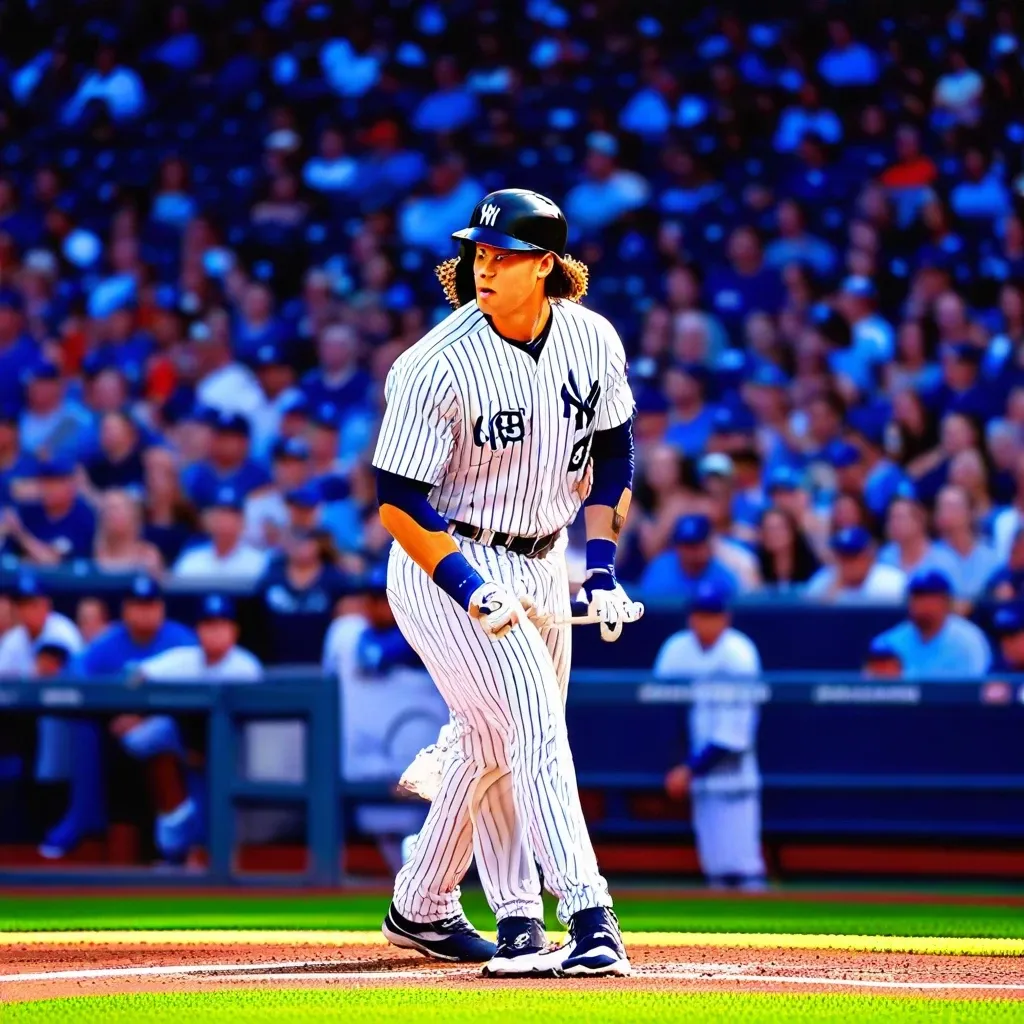
The 2025 ALDS clash between the New York Yankees and Toronto Blue Jays promises a battle of AL East titans. Both teams concluded the regular season with identical 94-68 records, but Toronto clinched the division title, fueled by their 8-5 head-to-head record against the Yankees. This sets the stage for a tense playoff encounter, marking the first time these division rivals have met in the postseason. The Yankees enter the ALDS fresh off a Wild Card series victory, riding a wave of momentum. However, their path to the ALCS won’t be easy against a Blue Jays team eager to translate regular-season success into playoff glory. The winner of this series will advance to face the winner of the Tigers/Mariners ALDS. Toronto’s playoff struggles in recent years add another layer of intrigue, amplifying the pressure on them to perform.
Key player matchups will define this series. Vladimir Guerrero Jr.’s historical success against Yankees pitching and Aaron Judge’s power hitting are focal points. The ability of the Yankees’ lineup to solve Kevin Gausman and Toronto’s hitters to crack New York’s starters will impact the series outcome. The Yankees’ potential reliance on Will Warren or Luis Gil in Game 1, due to Max Fried’s limited rest, presents an early test. Both teams come into the series as offensive juggernauts, a lot relying on who can shut down the other’s offense with more consistency over five games.
Offensive Powerhouses Compared
The Yankees’ offense, which led the majors with 849 runs scored, is powered by Aaron Judge, who posted a331 batting average, 53 home runs and 114 RBIs in 2025. Their offensive output is also fueled by other hitters who make it hard for any team to pitch around Judge. The Blue Jays nearly matched the Yankees’ offensive prowess, finishing second in the AL with 798 runs. The Blue Jays benefit from a diverse lineup, featuring George Springer and Vladimir Guerrero Jr. The Blue Jays’ offense showcases a range of hitters capable of changing the game. Strategies for shutting down each team’s offense must focus on neutralizing their key hitters and exploiting any vulnerabilities in their approach. For the Yankees, this means finding ways to limit Judge’s impact while containing the rest of the lineup. For Toronto, the key is to disrupt Guerrero and Springer, while keeping other hitters away from good pitches to hit.
Pitching Staff Depth and Strategy
The Yankees’ pitching staff’s depth will be tested early in the series, potentially requiring Will Warren or Luis Gil to take the mound in Game 1. Carlos Rodón’s performance, particularly in a potential Game 3 matchup against Vladimir Guerrero Jr., is critical. Conversely, the Blue Jays rely on Kevin Gausman, who has the potential to dominate any lineup. Bullpen usage will be crucial for both teams, especially in close games. The Yankees are likely to lean on their closer to secure late-inning leads, while the Blue Jays will need their bullpen to hold the line. Strategic pitching changes and exploiting weaknesses in each team’s staff could swing the balance of the series. Rodón, in particular, needs to solve the Guerrero riddle to give the Yankees a chance.
ALDS Matchup 2: [Team C] vs. [Team D] – A Strategic Breakdown
The American League Division Series clash between [Team C] and [Team D] sets the stage for a compelling narrative of strategic prowess and in-game adaptability. This series isn’t just about raw talent; it’s a high-stakes chess match where every decision, from lineup construction to bullpen deployment, can tilt the balance. Examining the tactical frameworks, coaching acumen, and hidden elements will be decisive in determining which team advances.
Managerial Chess Match: Strategy and Adjustments
The dugout dynamic between [Team C]’s skipper and [Team D]’s field general presents a fascinating study in contrasts. [Team C]’s manager, known for their data-driven approach, meticulously crafts lineups based on analytical matchups, leveraging platoon advantages and exploiting opponent weaknesses. Expect to see calculated pitching changes, optimizing reliever usage based on leverage and batter tendencies. On the other side, [Team D]’s manager possesses a more old-school, gut-feeling style, often prioritizing veteran experience and intangible qualities. Their in-game adjustments might lean toward trusting a struggling veteran or making a bold pitching change based on momentum rather than analytics. The series could hinge on which manager can best anticipate the opposition’s moves and counter with effective strategies.
The Impact of Home Field Advantage
The roar of the crowd, the energy of the stadium – home field advantage can be a tangible force in a short series. For [Team C], playing in front of their passionate fans provides an extra boost, potentially influencing umpire calls and creating a more intimidating atmosphere for opposing hitters. The dimensions of their stadium, with shorter fences in certain areas, could also favor their power hitters. Conversely, [Team D] will look to harness the energy of their home crowd, known for its unwavering support. Their stadium, with its spacious outfield, might play to their strengths, emphasizing speed and defense. Historically, both teams have demonstrated strong home records, suggesting that protecting their home turf will be a crucial factor in determining the series outcome.