
Imagine a place where weekend hackers and PGA Tour pros walk the same fairways. That place is Memorial Park in Houston, Texas, the proud home of the Texas Children’s Houston Open. It’s a rare and wonderful thing: a true municipal golf course holding court for one of the biggest events on the PGA Tour calendar.
The Houston Open is more than just a tournament; it’s a tradition. For decades, it has drawn huge crowds and showcased some of the best golfers in the world. While many PGA Tour stops take place on pristine, private courses, the Houston Open offers something different – a gritty, relatable venue that reflects the spirit of the city itself.
Memorial Park isn’t just any old public course either. It boasts a rich history and underwent a significant redesign in recent years, transforming it into a challenging test for the pros while remaining accessible and enjoyable for everyday players. It’s a testament to the idea that world-class golf can be found in unexpected places, and the Texas Children’s Houston Open proves it year after year.
A Public Gem with a PGA Pedigree
Memorial Park Golf Course in Houston stands apart in the world of professional golf. It’s not your typical manicured, members-only club. Instead, it’s a bustling municipal golf course, open to the public, and surprisingly, a regular stop on the PGA Tour. Imagine that – a course where anyone can book a tee time also hosting some of the biggest names in golf. This remarkable combination makes Memorial Park a true gem, offering affordable golf to the local community while showcasing world-class competition.
Many PGA Tour venues are shrouded in exclusivity, accessible only to a select few who can afford hefty membership fees. Memorial Park flips that script. It’s a place where seasoned pros and weekend warriors can share the same fairways. The green fees are reasonable. Each year, the course hosts a staggering number of rounds played, a testament to its popularity and accessibility.
Public courses like Memorial Park offer something special. They foster a sense of community, bringing together golfers from all walks of life. There is something special about playing a course that’s accessible to everyone. It’s a reminder that golf, at its heart, is a game for the people, and Memorial Park embodies that spirit perfectly, proving that world-class golf and public access can coexist beautifully.
The Early Years and Evolution
The story of Memorial Park Golf Course begins far from the manicured fairways of today. Its early years were humble, starting as a simple nine-hole course. This initial design was a far cry from the championship layout that now challenges PGA Tour professionals. However, from those modest beginnings, the course embarked on a journey of evolution. This transformation reflects the changing landscape of golf itself and the growing importance of public access to the sport. The course gradually expanded and improved, always remaining true to its mission as a municipal golf haven within the city. This evolution cemented its place in the public sphere and as place accessible to everyone.

The Redesign: A Course Transformed
Memorial Park Golf Course underwent a significant transformation spearheaded by renowned golf course architect Tom Doak, in collaboration with Brooks Koepka. The primary aim of this ambitious course redesign was to elevate the course to PGA Tour standards while simultaneously enhancing its playability for everyday golfers. The project addressed several key areas, modernizing the layout and optimizing the course for championship-level competition.
The vision behind the redesign was to create a strategic and challenging course that would test the mettle of professional golfers during the Houston Open, demanding precision and thoughtful decision-making. Central to this goal was the creation of memorable and strategically compelling closing holes that could potentially decide tournaments. At the same time, Doak and Koepka aimed to ensure the course remained enjoyable and accessible to recreational players of all skill levels. This delicate balance required careful consideration of fairway widths, green designs, and the placement of hazards.
One notable aspect of the redesign involved a reduction in the number of bunkers. This decision wasn’t about making the course easier; rather, it was a strategic move to place greater emphasis on the existing hazards and create more visually appealing and strategically relevant bunkering. The remaining bunkers were meticulously shaped and positioned to influence shot selection and demand accurate ball striking.
The redesign process, spanning several years, was marked by numerous challenges. Balancing the needs of tour professionals with the enjoyment of recreational golfers was a constant consideration. Preserving the character of the original course while introducing modern design elements required careful planning and execution. Despite these challenges, the result is a course that is both challenging for the pros and enjoyable for the average golfer, embodying the goals envisioned at the project’s outset.
Key Changes and Strategic Elements
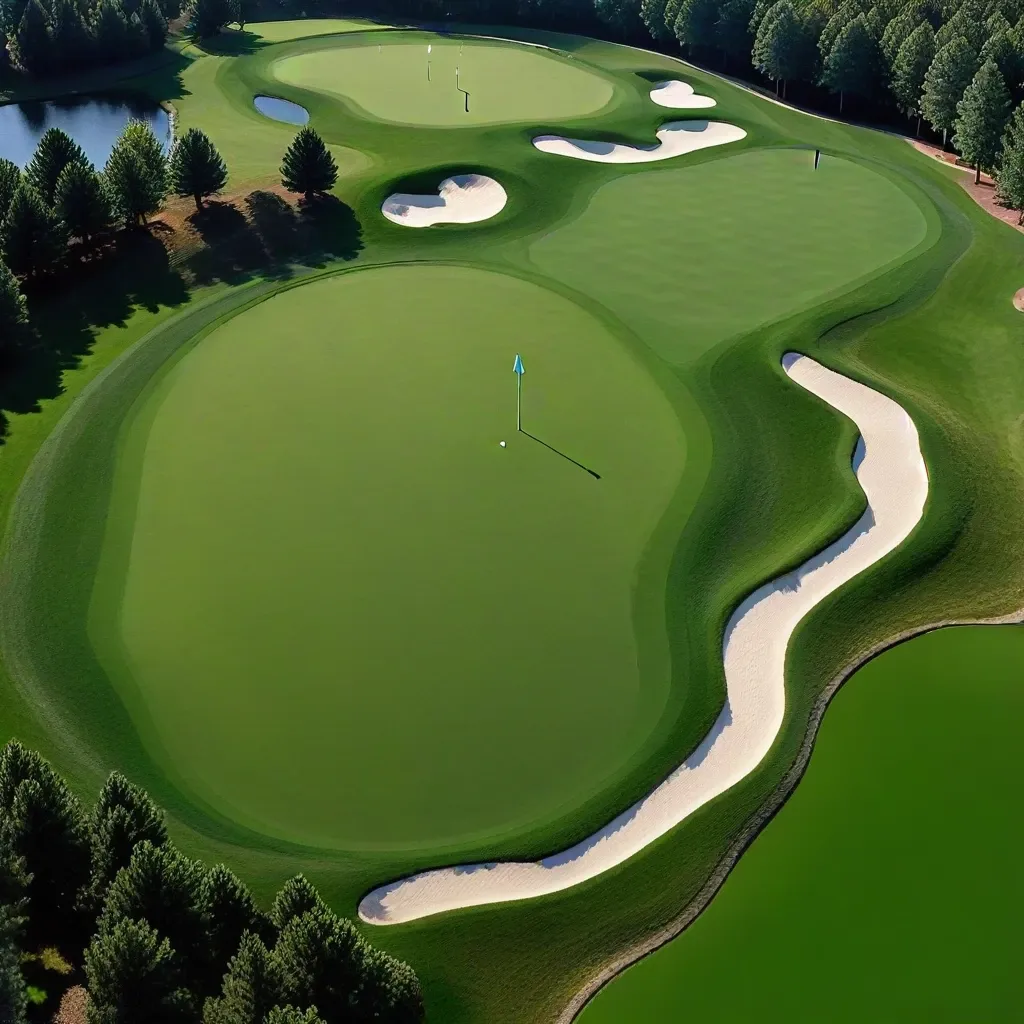
The redesign of Memorial Park Golf Course brought about several key changes that have significantly altered its playing characteristics. The greens were reshaped and resurfaced. New design includes undulating surfaces to test putting skills and create challenging pin positions. Fairway were extended, a lot of thought and work were put in bunkers placement, with strategically positioned to penalize errant shots and necessitate careful course management.
The slope of the greens plays a crucial role in the course’s strategic design. Like a subtle wave, the undulations demand precise approach shots and thoughtful putts. Imagine attempting a delicate chip shot onto a green that subtly slopes away from you – a misjudgment of just a degree or two can send your ball trickling off the surface. The nuances of these slopes add a level of complexity that requires players to really get to know the course and develop a keen sense of feel.
Playing Memorial Park: A Challenge for All
Memorial Park Golf Course, redesigned by Tom Doak, stands as a testament to the game’s enduring appeal, offering a compelling test for seasoned tour professionals and weekend enthusiasts alike. While the pros battle for position on immaculately manicured greens, public players find a challenging yet rewarding experience, navigating the same strategic puzzles and embracing the course’s inherent drama.
The course’s layout demands thoughtful course strategy from tee to green. Consider the notorious par-3s, particularly the 9th. This deceptively simple hole can quickly derail a round with its heavily guarded green and tricky wind conditions. Choosing the right club and committing to the shot is paramount. For higher handicaps, aiming for the center of the green and accepting a two-putt par is often the wisest approach, while tour players will aggressively attack the pin.
Another of the challenging holes includes the lengthy par-4 18th, which requires a precise drive to avoid fairway bunkers, followed by a long iron or hybrid approach to a well-protected green. Laying up before the green is a smart play for most players, leaving a manageable pitch for a chance at par.. Even the best struggle with it. The key here is damage control – avoiding big numbers and keeping your score intact.
The playing experience at Memorial Park is more than just the sum of its hole descriptions. It’s about embracing the challenge, appreciating the meticulous design, and reveling in the shared joy of the game. I recall one particularly humid afternoon when I was playing a similar course, and thought I’d easily clear a water hazard on a par 5. I confidently selected my 3-wood, only to watch my ball plummet ignominiously into the water, not even reaching the hazard. That experience taught me the importance of course management and respecting the challenge, a lesson that applies equally to Memorial Park.
Ultimately, success at Memorial Park, or any challenging public course, isn’t solely about raw talent. It’s about understanding the nuances of each hole, adapting your golf tips to the conditions, and embracing the unpredictable nature of the game. Whether you’re a tour pro vying for a title or a weekend warrior simply seeking a good time, Memorial Park offers a fair and memorable test for all who dare to tee it up.
The Houston Open Experience
The Houston Open is more than just a golf tournament; it’s a vibrant experience that electrifies the city. The atmosphere is palpable, a blend of focused competition and festive community spirit. From the roar of the crowd after a clutch putt to the quiet anticipation as a player lines up their shot, the energy is infectious.
But what truly sets the Houston Open apart is what happens behind the scenes. Weeks before the first tee shot, a dedicated team works tirelessly on course preparation. Greens are manicured to perfection, fairways are sculpted, and the entire grounds are transformed into a world-class venue. It’s a logistical marvel, requiring careful planning and coordination.
Beyond the golf itself, the Houston Open offers a rich spectator experience. Food vendors serve up local favorites, merchandise tents offer souvenirs, and interactive exhibits engage fans of all ages. It’s a day out for the entire family, a chance to soak in the sun and enjoy the camaraderie of fellow golf enthusiasts. For those looking to get even more involved, volunteering opportunities abound. From course marshals to hospitality assistants, volunteers play a crucial role in ensuring the smooth operation of the tournament. It’s a chance to get an up-close look at the action and contribute to the success of the event.
The impact of the Houston Open extends far beyond the golf course. It brings significant economic benefits to the city, boosting tourism and supporting local businesses. Hotels are booked, restaurants are bustling, and the city shines on a global stage. The tournament also generates significant charitable contributions, benefiting numerous organizations in the Houston area. It’s a testament to the power of sports to unite a community and make a positive impact.
Memorial Park and the Houston Community
Memorial Park Golf Course transcends its role as a tournament venue; it’s a vital municipal resource deeply interwoven with the Houston community. Its accessibility to local golfers is paramount, offering an affordable avenue for residents to engage with the sport. This accessibility fosters a vibrant golfing culture within the city, nurturing both recreational players and aspiring professionals. The planned driving range improvements are poised to further enhance this accessibility, providing a state-of-the-art practice facility for golfers of all skill levels. The enhancements will not only elevate the golfing experience but also solidify Memorial Park’s position as a premier public golf destination.
The Astros Golf Foundation plays a crucial role in these improvements, demonstrating a commitment to both the sport and the community it serves. Their investment in Memorial Park extends beyond mere infrastructure upgrades; it reflects a dedication to fostering a welcoming and inclusive environment for all Houstonians. The improved facilities and programs will undoubtedly have a significant impact on the lives of countless individuals, providing opportunities for recreation, skill development, and social interaction. This commitment extends to golf education, with programs designed to introduce the sport to youngsters and provide them with the skills and knowledge to succeed.
The course embodies the spirit of Houston: resilient, diverse, and forward-thinking. By embracing its role as a community asset, Memorial Park contributes to the overall well-being and quality of life for all residents. It’s a place where friendships are forged, skills are honed, and memories are made, solidifying its place as a cherished landmark in the heart of the city. The revitalization initiatives not only benefit golfers but also enhance the park’s overall appeal, attracting visitors and contributing to Houston’s vibrant public spaces. The impact of Memorial Park extends far beyond the fairways and greens; it’s a testament to the power of sport to unite and uplift a community.
Beyond the Fairways and Greens: Community Programs
Houston’s golf program aims to promote the sport and enhance its public image, providing economical impact. These initiatives are important for local promotion. Individuals wanting to participate in local programs can usually register through the city’s Parks and Recreation Department, local community centers, or golf-specific organizations like the First Tee. These programs offer various opportunities, from junior golf lessons to adult clinics, fostering a lifelong love for the game and building a stronger golfing community within Houston.
Conclusion
Memorial Park stands as a testament to what can be achieved when public accessibility meets the exacting standards of the PGA Tour. It’s more than just a golf course; it’s a vibrant hub within Houston, offering a rare opportunity for everyday golfers to experience a course that challenges the pros during the Houston Open. The beauty of Memorial Park lies in its dual identity – a demanding test of skill for the world’s best players, and a welcoming green space for the local community to enjoy.
Its transformation is proof of an investment in both golf and community. It delivers an experience unlike any other municipal course. Memorial Park’s success provides a blueprint for other cities! A blueprint that showcases how thoughtful design and commitment can elevate a public resource into something truly special.