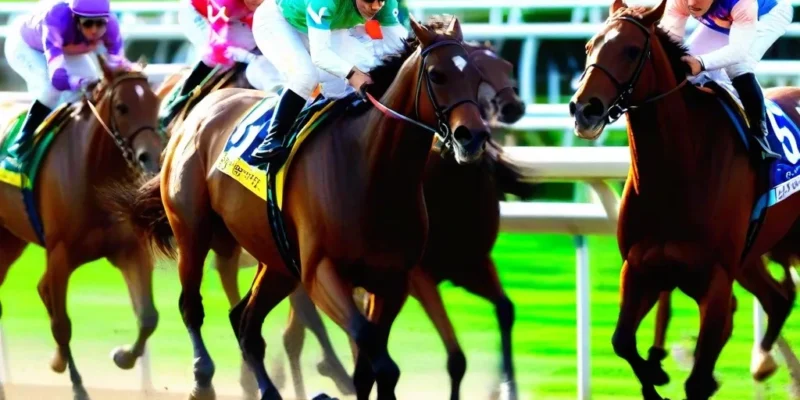
The Alcibiades Stakes! Just hearing the name conjures images of thrilling finishes and future champions. This prestigious race, held annually at the historic Keeneland Race Course, is a highlight on the horse racing calendar. It’s more than just a race; it’s a proving ground, a launching pad, and a chance to witness the raw talent of two-year-old fillies as they compete for glory.
Keeneland itself is practically hallowed ground for horse racing enthusiasts. Its beauty and tradition provide the perfect backdrop for events like the Alcibiades Stakes. But the stakes are high! This Grade 1 event isn’t only about prestige. The Alcibiades Stakes carries with it a golden ticket: an automatic berth into the Breeders’ Cup Juvenile Fillies race through the “Win and You’re In” Challenge. That’s why handicapping this race is crucial.
This article aims to steer you through the field of competitors, dissect past performances, and ultimately, arm you with the expert insights you need to make informed decisions and fully appreciate the excitement of the Alcibiades Stakes. Get ready for a wild ride!
A Deep Dive into the Alcibiades Stakes
The Alcibiades Stakes is a prestigious race with a rich history in American thoroughbred racing. Named in honor of Alcibiades, a prominent horse owner and breeder of the 19th century, the race has evolved into a crucial stepping stone for fillies aiming for the Breeders’ Cup Juvenile Fillies. Its legacy is intertwined with the narratives of countless promising young horses and dedicated horsemen.
Initially run at a different distance, the Alcibiades Stakes has undergone changes throughout its existence, reflective of the evolving landscape of horse racing. Today, it stands as a Grade 1 event, a testament to its quality and importance. This grading signifies that the Alcibiades Stakes attracts top-tier talent and offers significant prestige to winning connections.
The race is held annually at Keeneland Race Course in Lexington, Kentucky, a venue renowned for its beauty and challenging track. Keeneland provides a fitting stage for this historic event, drawing large crowds and generating considerable excitement. The current purse for the Alcibiades Stakes is a substantial sum, attracting the best two-year-old fillies from across the country. The set distance is a mile and a sixteenth on the dirt, testing the stamina and speed of the young competitors. Only two-year-old fillies are eligible to enter, making it a showcase for the future stars of the sport.
Over the years, the Alcibiades Stakes has witnessed some remarkable performances. Numerous winners have gone on to achieve further success on the national stage, solidifying the race’s reputation as a producer of champions. Analyzing past winners reveals compelling stories of talent, training, and the unpredictable nature of horse racing itself. The Alcibiades Stakes isn’t just a race; it’s a crucial chapter in the ongoing story of American thoroughbred racing.

The Course and Conditions at Keeneland
Keeneland Race Course, nestled in the heart of Kentucky’s Bluegrass region, is renowned for its meticulously maintained dirt track, a surface that plays a pivotal role in determining race outcomes, particularly during the prestigious fall meet. The track itself is composed of a carefully balanced mixture of clay, silt, and sand, blended to provide a consistent and fair racing surface. Over the years, Keeneland has undertaken several renovations to optimize drainage and ensure uniform compaction, further contributing to its reputation for excellence.
Understanding how the Keeneland track typically “plays” is paramount for astute handicappers. While it’s generally considered a fair track, subtle biases can emerge depending on weather conditions and ongoing maintenance. Some days, the inside paths may offer a distinct advantage, favoring horses with early speed who can establish a position near the rail. On other occasions, a deeper, more demanding surface may develop, rewarding late-running closers with stamina and the ability to navigate the outside.
The weather during Keeneland’s fall meet is notoriously variable, ranging from crisp, dry autumn days to periods of persistent rain. These fluctuations can significantly impact the track condition, transforming it from a fast, firm surface to a sloppy, sealed one. Observing morning workouts and early races can provide valuable clues about the track’s current state and any prevailing biases. From past races observed at Keeneland, it’s evident that adaptability is key; horses who can handle a variety of track conditions often fare best.
Track Bias and its Impact
Track bias refers to the tendency of a racetrack to favor certain running styles or portions of the racing surface. Identifying track bias is crucial for successful handicapping, as it can significantly influence a horse’s chances of winning. Keeneland, while generally fair, is not immune to track bias. For example, a speed bias might develop when the inside paths are faster, giving an advantage to horses who break sharply and secure an early lead.
In past Alcibiades Stakes races, track bias has demonstrably altered results. If a speed bias was present, frontrunners often held on to win, even if their speed figures were not significantly higher than those of the closers. Conversely, if the track favored closers, horses who were far back early in the race might have surged late to victory. To adjust handicapping based on track bias, one must carefully analyze the results of preceding races on the same day. If the winners consistently emerged from a certain running style or position, it’s a strong indicator that a bias is in play. Adjust your selections accordingly, giving preference to horses who fit the prevailing track profile.
Key Factors for Handicapping the Alcibiades
Handicapping the Alcibiades Stakes, a pivotal race for two-year-old fillies, demands a keen eye and a deep dive into several crucial elements. Forget flipping a coin; successful handicapping involves a comprehensive assessment of pedigree, past performance, speed figures, trainer/jockey dynamics, and those revealing morning workouts. These factors, when woven together, paint a clearer picture of a horse’s potential on race day.
Pedigree provides a glimpse into a horse’s genetic predisposition. In the Alcibiades, it’s wise to consider if a horse hails from a lineage known for stamina, crucial for navigating the 1 1/16-mile distance. Is there evidence of precocity—an early aptitude for racing? A filly bred for longer distances might struggle against speedier rivals. A careful study of the dam’s and sire’s race records and progeny can offer valuable clues.
Past performances are a treasure trove of information. Scrutinize races run on similar surfaces, distances, and track conditions as the Alcibiades. Look for signs of improvement; has the filly gradually increased her speed figures? A troubled trip – perhaps getting stuck behind other horses or running wide – can significantly impact a horse’s performance, so don’t just look at the finishing position. Instead, focus on the horse’s late-running style, and how well she recovered from a slow start or any mid-race bumps. The class of the race is also crucial. A filly dominating weaker competition might find the Alcibiades a daunting step up. Identifying a filly who has consistently performed well against other stakes-caliber horses is a key factor.
The synergy between trainer and jockey cannot be overstated. A trainer with a history of success with two-year-old fillies brings invaluable experience in preparing a horse for a demanding race like the Alcibiades. A jockey who knows how to rate a horse – conserving energy for a powerful late run – can make all the difference especially around Keeneland’s turns. Look for pairings with a proven track record of success at Keeneland, or in similar graded stakes races.
Finally, workouts offer tantalizing glimpses into a horse’s current form. A series of sharp, consistent workouts suggests a filly is fit and ready to fire. However, interpreting workouts requires nuance. A blazing fast workout might indicate exceptional talent, or it could signal a horse that’s being pushed too hard too soon. Pay attention to how the workout was achieved – was it done effortlessly, or did the horse appear strained? Compare the workouts to those of other horses from the same barn. A trainer’s typical workout patterns can help contextualize the significance of a particular workout.
Understanding Beyer and Brisnet Speed Figures
Beyer Speed Figures and Brisnet Speed Figures are vital tools for handicappers, offering a numerical representation of a horse’s performance in a race. These figures attempt to normalize race times across different tracks and conditions, allowing for a more objective comparison of horses’ abilities.
Beyer Speed Figures, published by Daily Racing Form, are calculated based on the final time of a race and adjusted for track conditions. They quantify how fast a horse ran relative to the average performance on that particular track. Brisnet Speed Figures, offered by Brisnet.com, use a more complex algorithm that considers not only the final time and track conditions but also factors like the horse’s post position and the pace of the race. Both figures aim to provide a single number that reflects a horse’s overall speed.
However, keep in mind that speed figures are not infallible. They are simply one piece of the puzzle. Two-year-old fillies are still developing, and their speed figures can fluctuate significantly. Also, the relatively short distances of two-year-old races can place emphasize raw speed, which both Beyer and Brisnet figures reflect accurately. But a smart handicapper won’t rely solely on these numbers but will also consider how other elements come into play to help predict the result.
Contenders to Watch
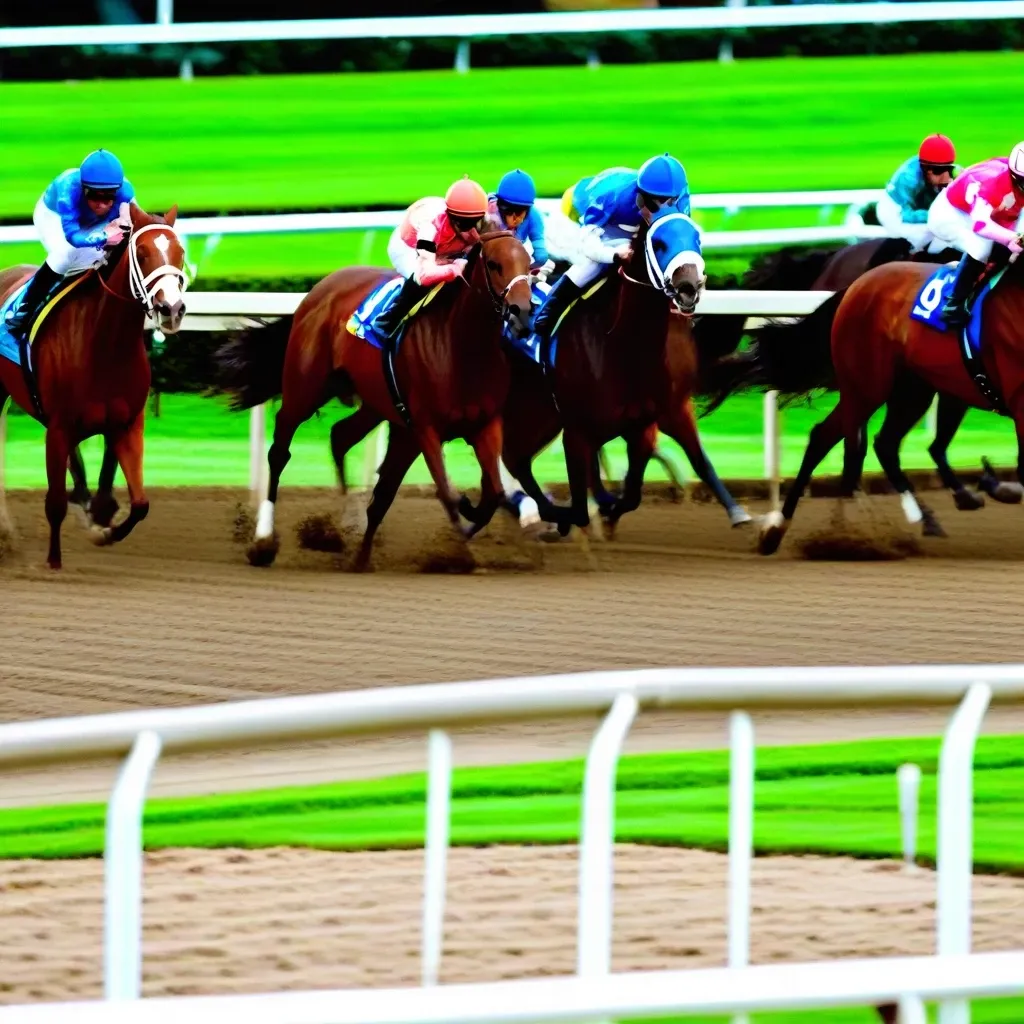
While the definitive lineup for the 2026 Alcibiades Stakes remains years away, astute observers of the juvenile racing scene can begin to identify horses with the potential to contend. Predicting future performance is an inexact science, but by evaluating pedigree, past performances, and connections, a clearer picture begins to emerge. Here are a few hypothetical examples of horses who, if they continue on their current trajectory, could be significant players in the Alcibiades.
Hypothetical Horse 1: Starlight Sonata A daughter of a top stallion known for producing precocious two-year-olds, Starlight Sonata impressed in her debut, winning a maiden special weight at Saratoga with a strong late kick. Her speed figures were solid for a first-time starter, and she demonstrated tactical versatility, sitting just off the pace before launching her bid. Trained by a seasoned professional and ridden by a respected jockey known for his patience with young horses, Starlight Sonata possesses the pedigree and early form to be a serious Alcibiades contender. Her weakness might be a lack of experience against tougher competition, but her upside is undeniable.
Hypothetical Horse 2: Ironclad Will This colt is a grinder. Ironclad Will might not possess the brilliance of some other contenders, but he has proven his toughness. He is a blue-collar competitor, and has already shown an aptitude for longer distances. He has demonstrated an ability to sustain a long, powerful drive, which could be a major asset in the demanding 1 1/16-mile Alcibiades. His trainer is known for meticulously preparing horses for graded stakes races, and his jockey is a master of pace. Ironclad lacks brilliance, but could win with determination.
Hypothetical Horse 3: Kentucky Breeze Kentucky Breeze already has two wins and a second in a Grade 3 stakes race. Her connections opted to keep her running, and Kentucky Breeze has improved with each start and has already earned solid speed figures. However, she faced easier competition in her prior races, and the Alcibiades will represent a significant step up in class. Her speed gives her an edge. Her trainer knows stamina. Her jockey knows how to win with speed. She is a threat.
Analyzing Workout Patterns
Handicapping the Alcibiades Stakes involves more than just looking at past race results; analyzing workout patterns can provide valuable insights into a horse’s fitness and readiness. Workout reports detail a horse’s timed workouts at the track, including the distance covered and the time taken. Faster workout times are generally considered better, but it’s crucial to consider the context. A blazing fast workout might indicate a horse is in peak form, but it could also suggest that it’s being pushed too hard.
Different workout distances serve different purposes. Shorter workouts, such as three furlongs, are often used to sharpen a horse’s speed, while longer workouts, such as five or six furlongs, are designed to build stamina. A horse that consistently works well at longer distances may be better prepared for the 1 1/16-mile distance of the Alcibiades.
However, it’s essential to avoid over-interpreting workout data. Some horses are simply better work horses than others, and a slow workout doesn’t necessarily mean a horse is out of form. Look for consistent patterns and gradual improvements in workout times, which can suggest a horse is progressing well in its training. Combine workout analysis with other handicapping factors for a more comprehensive assessment.
Betting Strategies for the Alcibiades Stakes
Understanding Odds and Payouts
Navigating the world of horse racing odds and payouts can seem like deciphering a secret code, but understanding the basics is crucial for making informed betting decisions. The morning line odds, established by the track handicapper, serve as an initial estimate of a horse’s chances of winning. These odds are not fixed and can fluctuate based on betting activity as race day approaches. Remember, the morning line is just a prediction. A horse listed at 5-1 might drift up to 8-1 or come down to 3-1, depending on how the public bets.
Calculating potential payouts involves understanding the odds format. For example, odds of 3-1 mean that for every $1 bet, you stand to win $3, plus you get your original dollar back. Therefore, the total payout is $4. It’s tempting to gravitate toward the favorite, but consistently betting on the lowest odds rarely yields significant profits. Look for value – horses whose odds don’t accurately reflect their potential performance! Scrutinize a horse’s past performance, consider the jockey-trainer combination, and assess how the horse might handle the track conditions. Don’t get tunnel vision; explore different betting strategies to maximize your chances of success.
Decoding Betting Strategies for the Alcibiades
The Alcibiades Stakes offers a variety of betting opportunities, each with its own risk-reward profile. The simplest is a win bet : you’re wagering that your chosen horse will finish first. If you’re newer to betting, it’s a straightforward option. Place bets offer a slightly higher probability of winning, as your horse needs to finish first or second. The payout, however, is usually lower than a win bet. Show bets require your horse to finish in the top three, offering the lowest payout but the highest probability of success.
For those seeking larger payouts, exotic bets like exactas, trifectas, and superfectas can be appealing. An exacta requires you to correctly predict the first two finishers in the correct order. A trifecta demands predicting the first three finishers in order, and a superfecta involves predicting the first four. The odds of hitting these bets are lower, but the potential payouts can be substantial. For the Alcibiades, consider the field size. A larger field increases the difficulty of hitting exactas, trifectas and superfectas, but it can also lead to higher payouts if you are right. Research the horses that consistently run well over the distance and those that have shown an ability to perform well in high-pressure races.
Personally, I like to approach the Alcibiades by identifying one or two horses with strong chances of winning and then constructing trifecta or superfecta bets around them, using other well-handicapped horses. But remember, responsible gambling is paramount. Set a budget before you start betting and stick to it, regardless of whether you’re winning or losing. Horse racing should be an enjoyable experience, so never bet more than you can afford to lose.
Conclusion
The Alcibiades Stakes, a pivotal race for two-year-old fillies at Keeneland, offers an exciting challenge for horse racing enthusiasts. Its rich history, coupled with the insights into key contenders, past performances, and handicapping strategies, provides a solid foundation for informed wagering.
Remember to consider pedigree, speed figures, and trainer statistics when making your picks. The Alcibiades Stakes is more than just a race; it’s an opportunity to witness future stars and test your handicapping skills.
Now you’re armed with the knowledge to confidently approach the Alcibiades Stakes. Good luck, and may your handicapping lead you to victory! Enjoy the thrill of the race!